Every event we host is designed with intention, from the atmosphere we create to the way each session flows.
Presentations
Below, I’ve given recordings of some of my recent presentations. I’ve chosen presentations that present a variety of formats: keynotes, short presentations, online talks and educational sessions. I’ve also chosen a variety of audiences. I’ve tried to give the context of each to show how I’ve structured and focussed the talks to meet the needs of a particular audience.
For the medical educators, feel free to use any of them with attribution for educational purposes, either for the content, or the structure. If you want me to talk to your organisation, conference, workshop or event, you can contact me here.
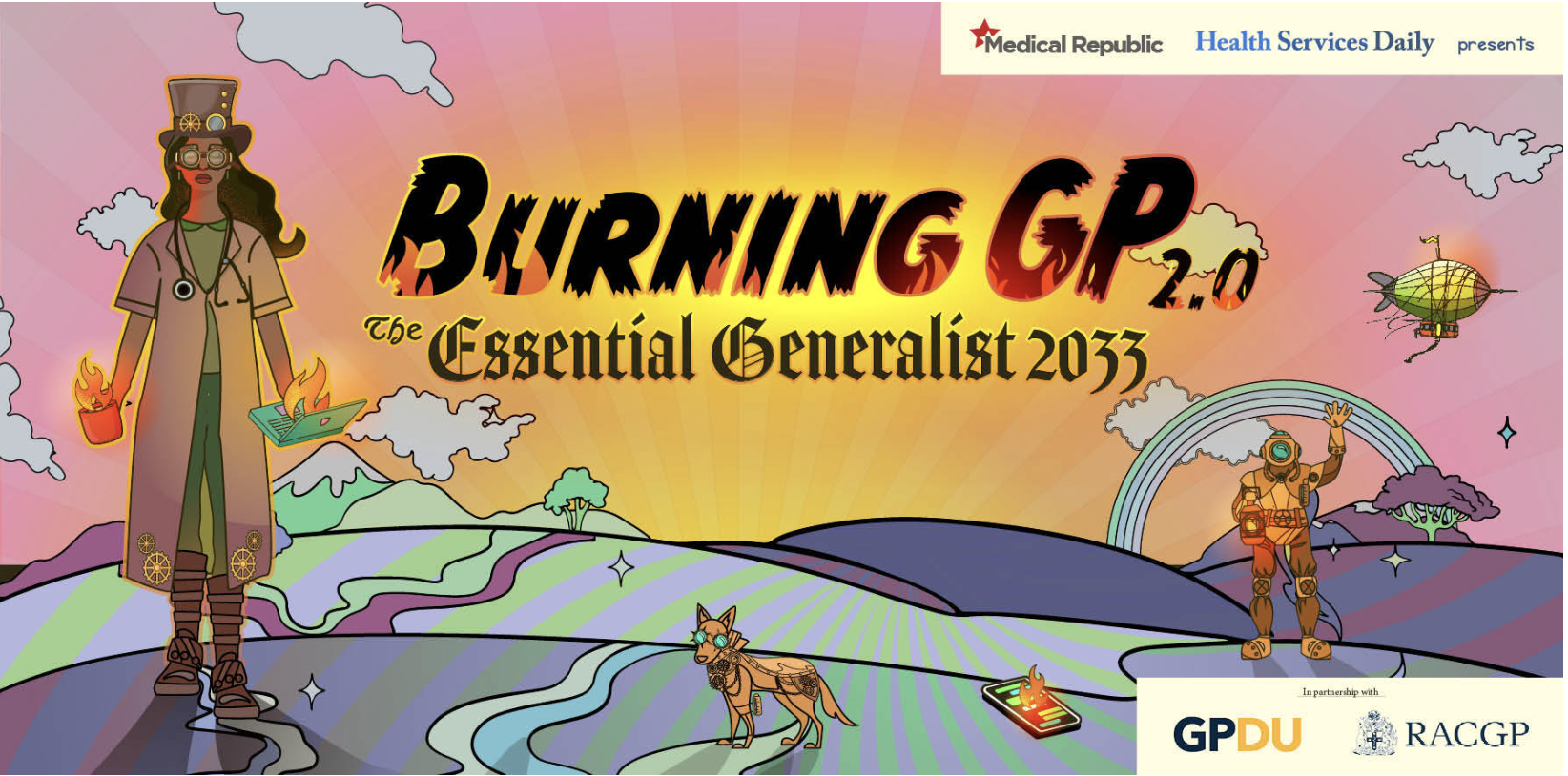
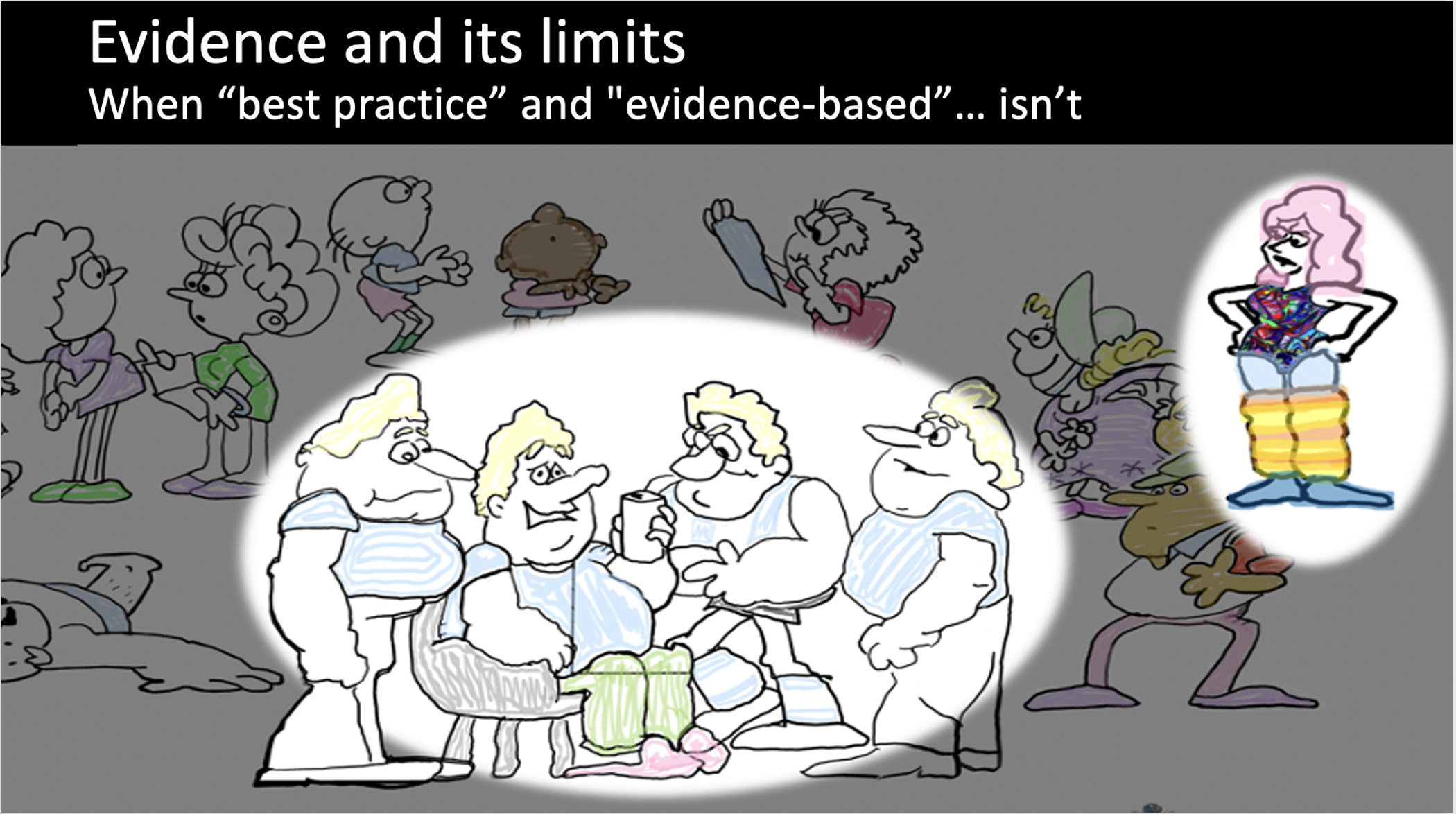
The Great Debate: AI is great for GPs
My slightly unhinged third speaker
of the affirmative speech transcript
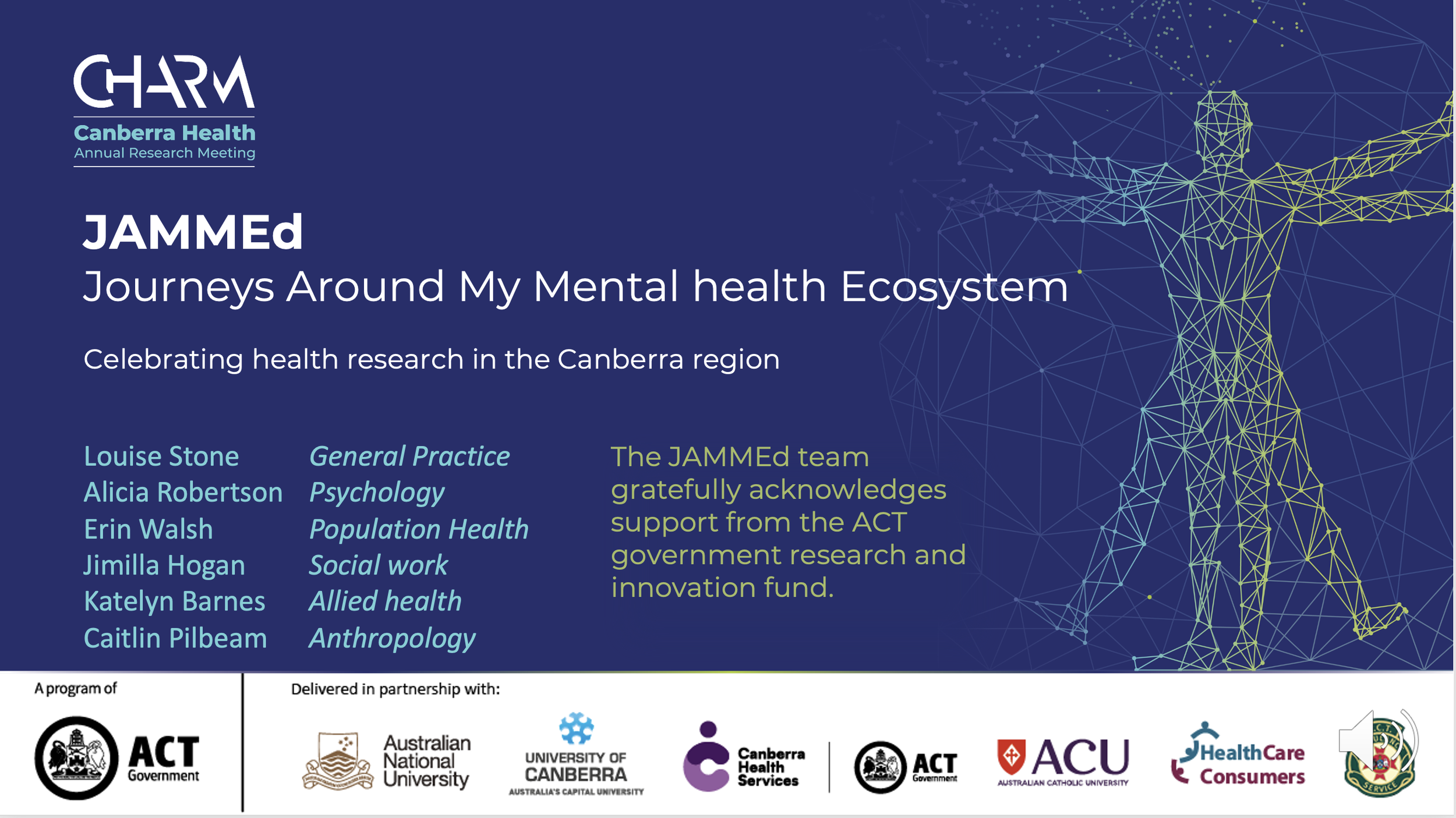
Presentations at the Canberra Region Academic Research Meeting
(CHARM) 17 June 2026
Young people, mental health and therapeutic relationships
These two talks were for a mixed audience of researchers. The project is large, and I needed to decide how to focus to provide two talks which were very short (8 and 12 minutes). I was aware the audience were likely to include early career researchers and quantitative researchers.
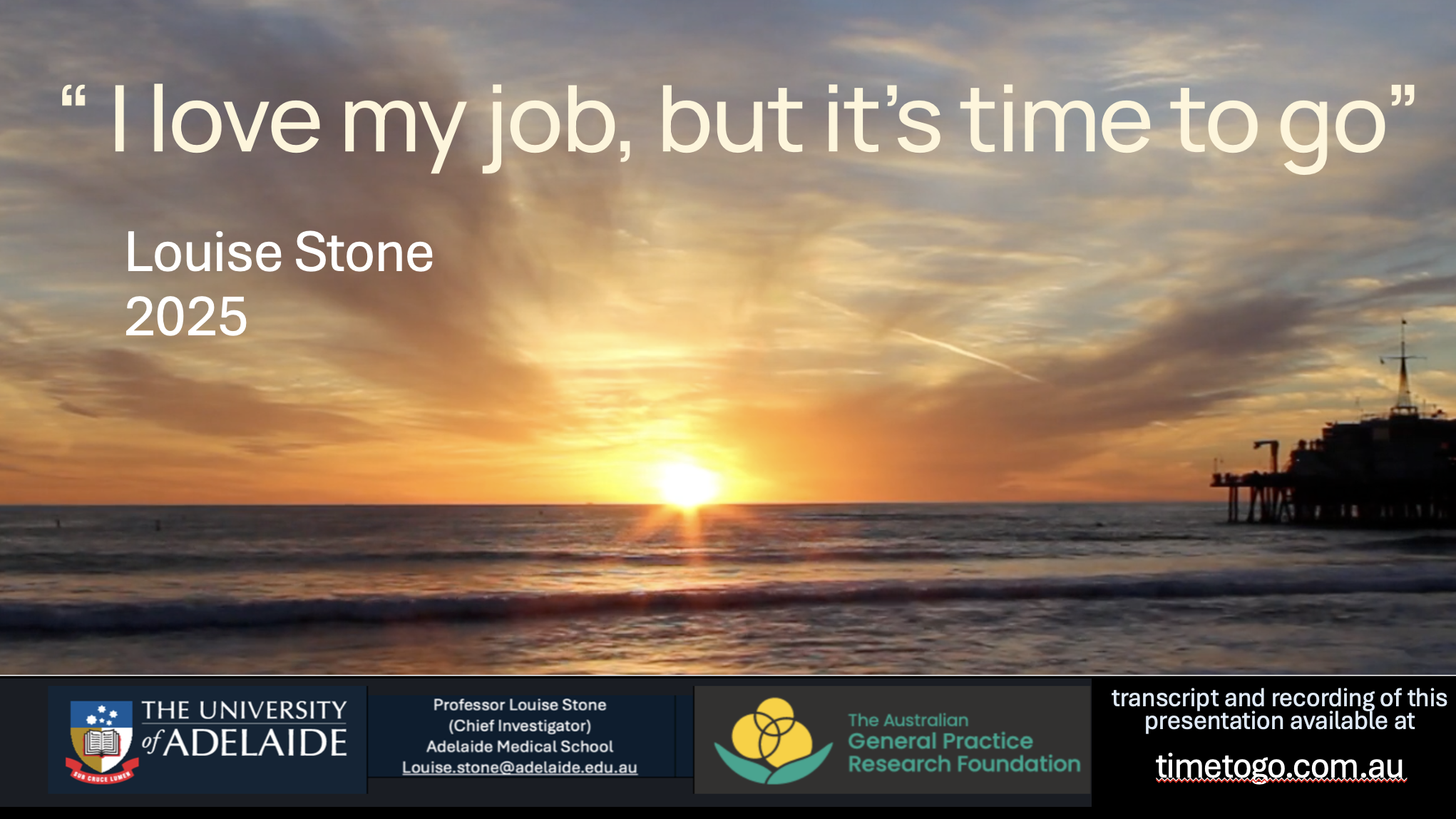
Australasian Association of Academic Primary Care (AAAPC) conference
August 2025
“I love my job, but it’s time to go”
This was a hard talk, because the participants were distressed, and analysing their data was….distressing. In these situations, I have to make a choice. Do I let the distress leak into the presentation? And if I do, how do I deal with the Sarah Ahmed problem. Sarah wrote the great book “complaint” and says when someone complains about a situation that is discriminatory, “the complainer becomes the complaint”. The difficult questions is always “rather than just complaining, what are you going to do about it?” which frankly, is a little unfair. I’m one of the researchers, not the policy maker or politician. However, the distress IS part of the data, so leaving it out is academically inappropriate.
I took an unusual step: I left the situation unresolved. I decided I was comfortable leaving the audience….uncomfortable. The result was a suggestion that I may be burned out and need to retire, but I can cope….
Presentations at the Canberra Region Academic Research Meeting
(CHARM) 17 June 2026
Young people, mental health, identity, learning and candidacy
I decided to generate images using AI, with a variety of artistic styles to give “the vibe of the thing” but also, in a non-verbal way, show how qualitative research findings can be presented in an engaging way. I was also aware I needed to keep the audience awake after a long morning of presentations! The two presentations were split by a break.
Educational session
2025
Coping
This is a short video that is part of a 6 hour course on mental health skills.

The THRIVE symposium
2024
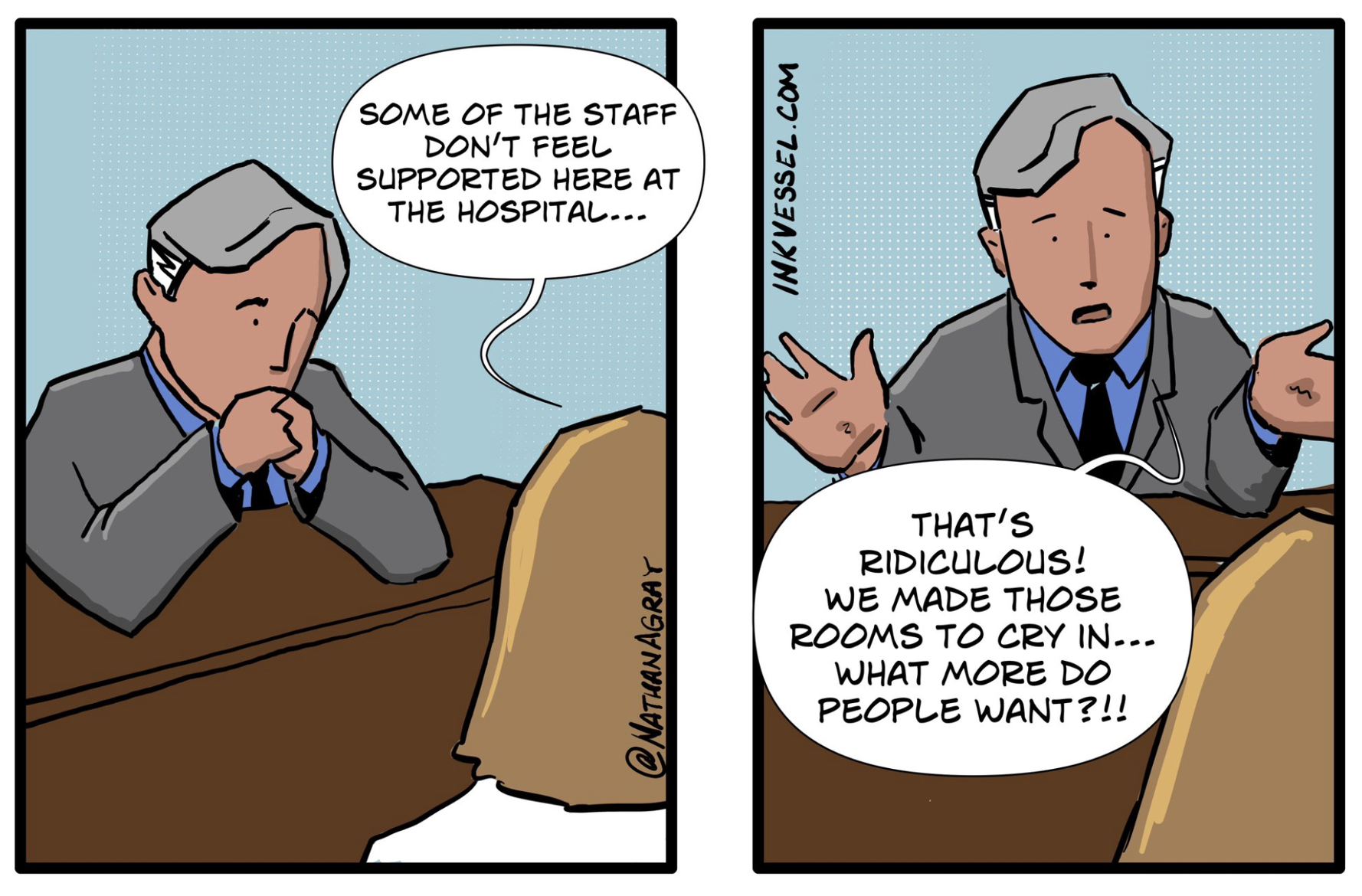
How to help doctors seek help from other doctors
This was an online talk and I wanted to work against the individualist narratives that are often used to address wellbeing. It is my view that the word “resilience” has been misused, and often places the sole responsibility of solving a dilemma on the individual. I often use the metaphor that while resilience can be described as the ability of a ball to bounce back after adversity, even a superball can’t bounce in a swamp. I used this talk to discuss the contextual factors that influence doctors’ wellbeing.
Wild Health Summit
2025
Ask MBS
With an audience of policy makers and public servants, I wanted to communicate the difficulties we face making sense of MBS. This is a short video, which I made by animating a script. I typed out the advice I was given on the Ask MBS site, and turned it into a script. I didn’t want to talk ABOUT the problem, I wanted people to experience it.
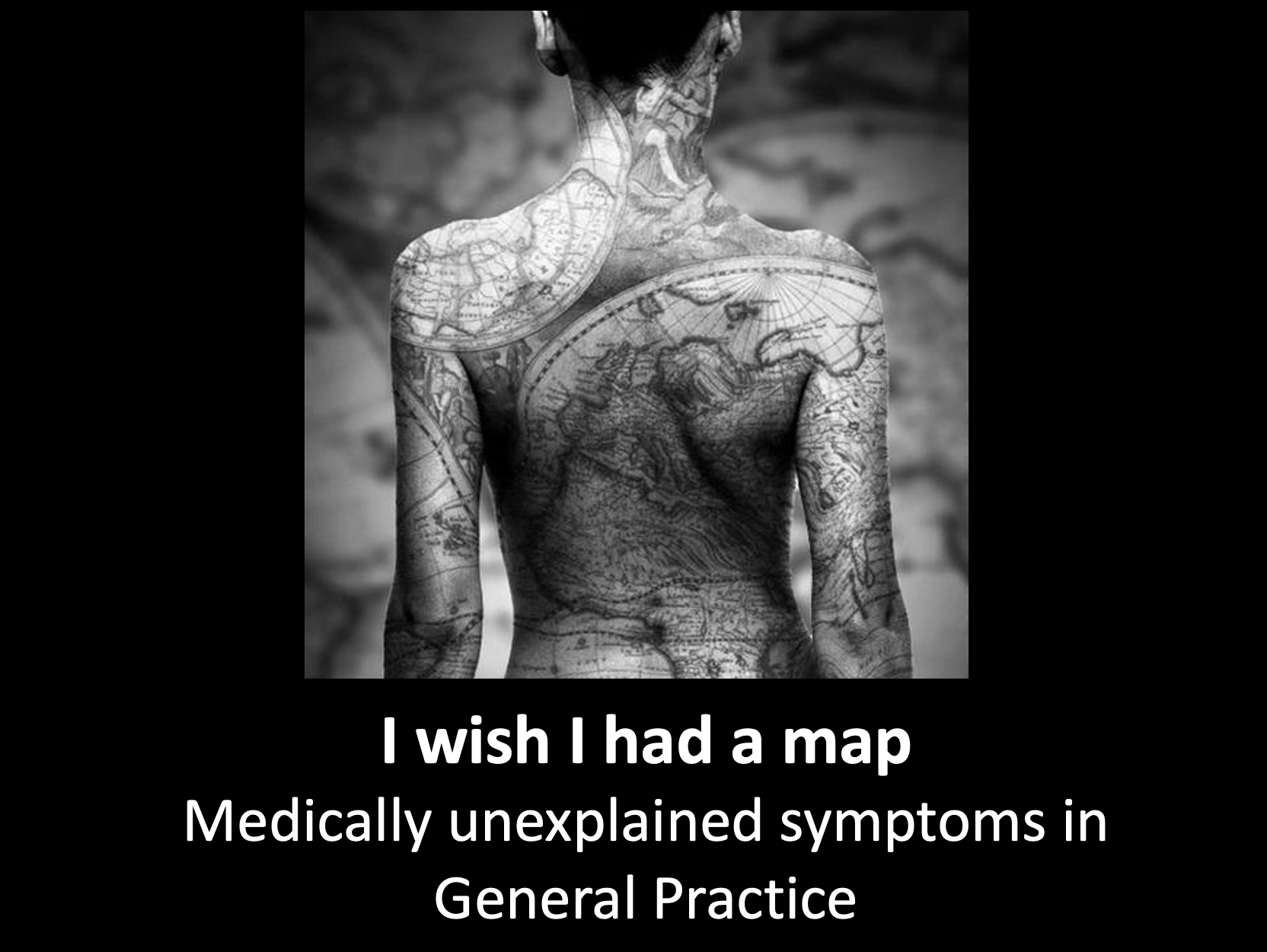
I’ve been speaking on this topic for decades, and one of the things I’ve realised is that it’s important not to only talk in generalisations. So over time, I’ve developed a lot of visual and kinaesthetic models that help GPs seek order out of chaos. In my view, it is important for participants to walk away with something practical, even with such a vague topic!!
It is also important to model appropriate language, in a world where there is a lot of stigma and shame
International Women’s Day
2025
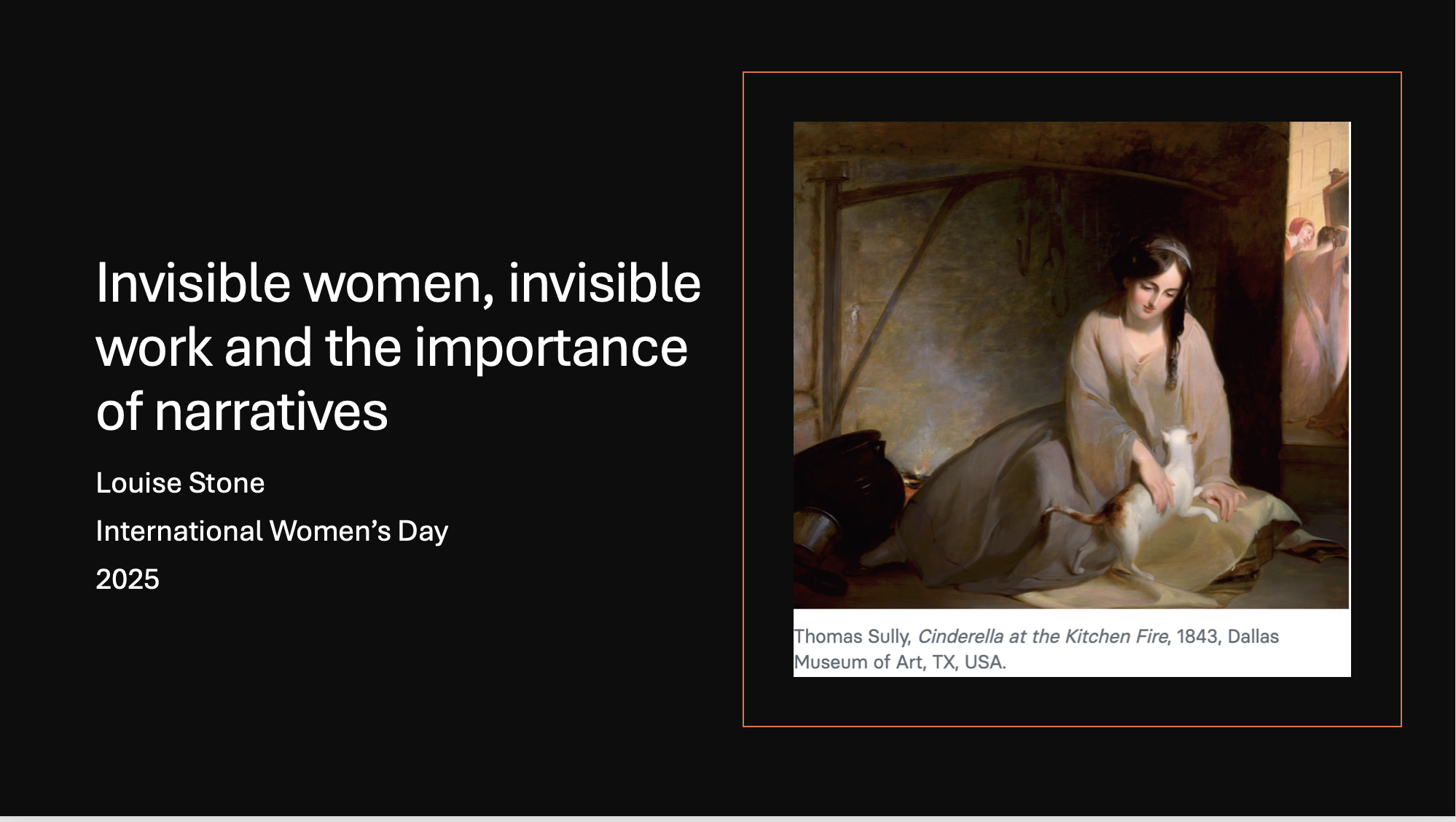
Invisible women, invisible work and the importance of narratives
When I’m asked to speak at something like this, I know the job has a few dimensions. I need to leave the audience with something to talk about, and a sense of their own importance, especially in this case where I’m talking to rural female GPs, who are rarely recognised for the stellar work they do. The second job is the content, and again this is about giving people models and frameworks to understand and manage their experience. The pedagogy (the way you teach) is the hard bit, with an hour to discuss things online without losing the audience.
Wild Health Summit
2025
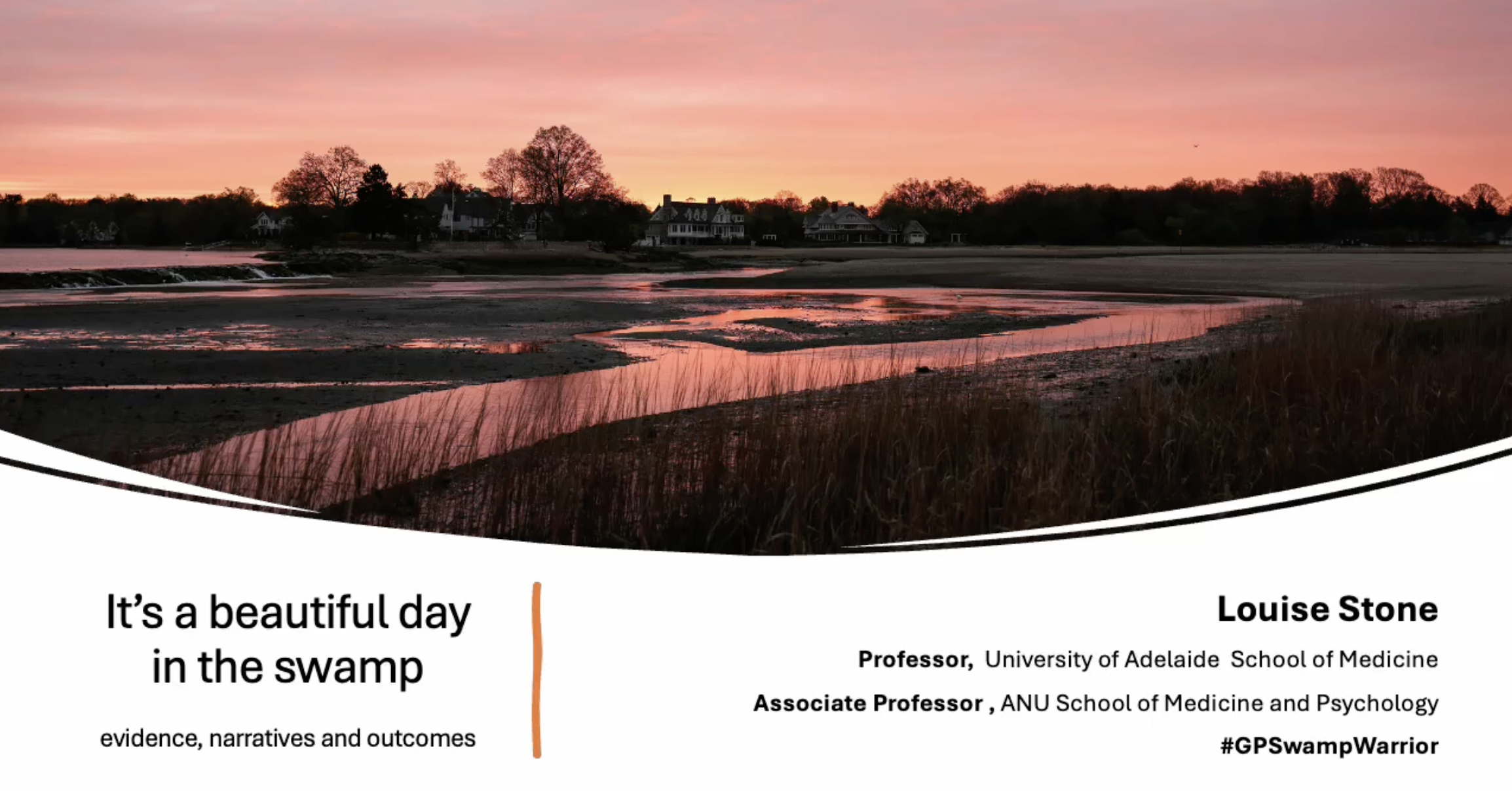
It’s a beautiful day in the (pink) swamp
The wild health summit was an opportunity to speak to policy makers, politicians and tech entrepreneurs. As usual, the “innovation” is always focussed on technological solutions, which is less beneficial for women doctors. This is because women GPs do longer consultations, more complex consultations, and less work that could benefit from automated systems and structures.
This talk was important to present the point of view of an invisible type of work.
Victorian Organisations Gender Equality Network
2024
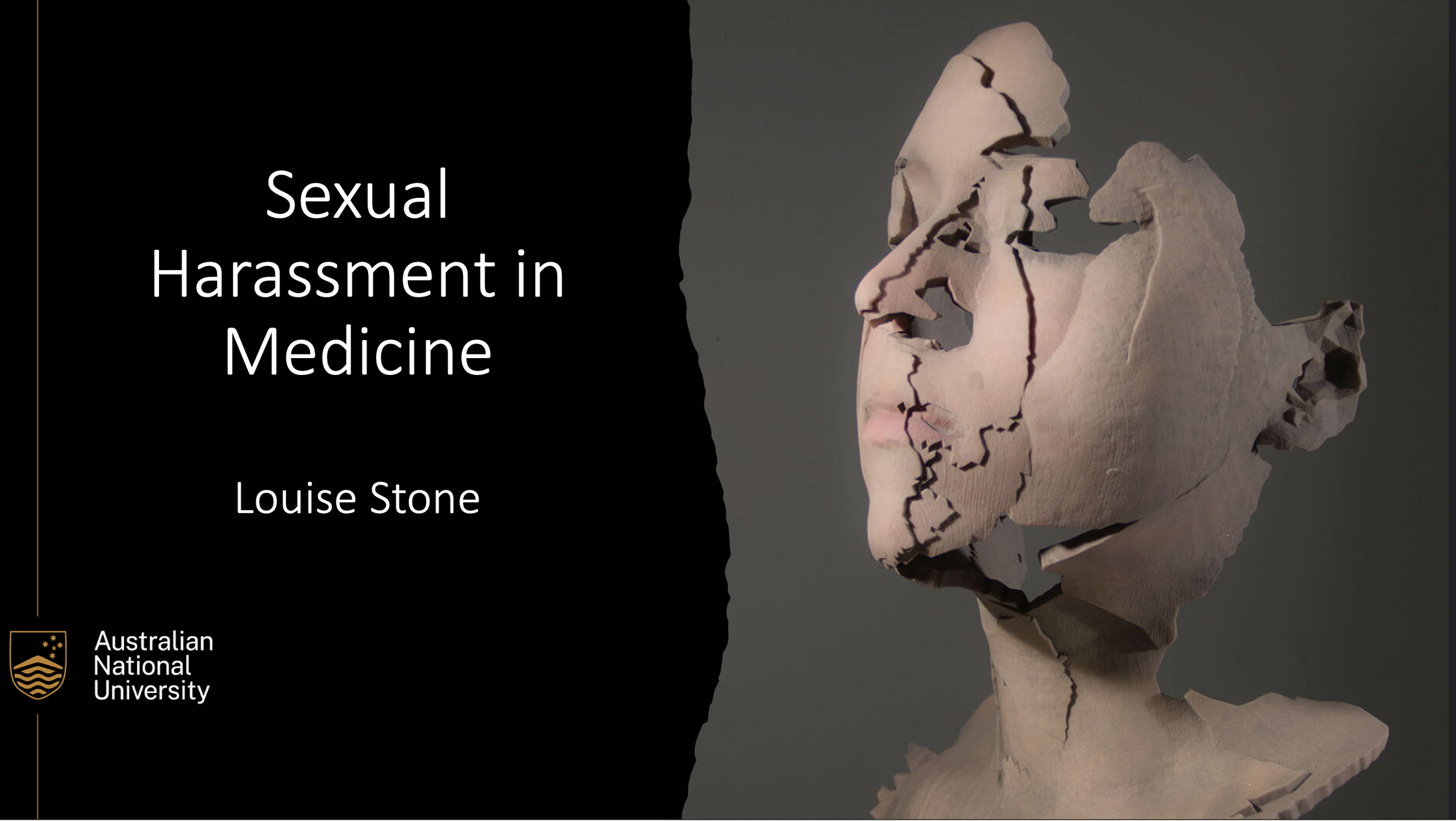
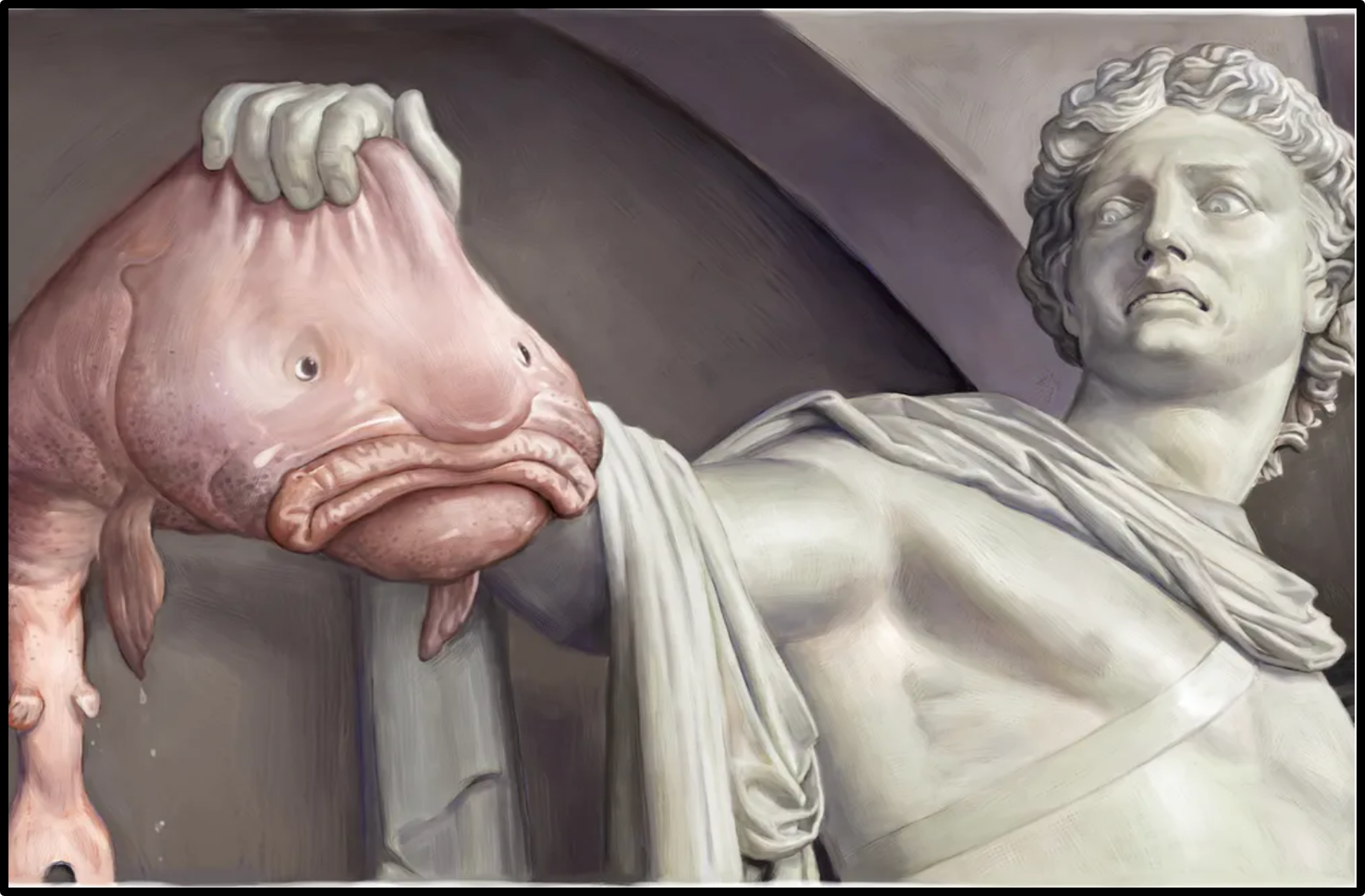
I was invited to talk to this group about our book which is always challenging. It is not only a large book, so choosing material is difficult, it is a tricky subject. This was a sympathetic audience, but long experience has taught me that cognitive bias is difficult to overcome. In even the most sympathetic of audiences, people will experience cognitive dissonance imagining sexual harassment occurring in the cold, hard light of day in a busy hospital or clinic.
In these circumstances, I need to:
Maintain the gravitas and academic tone, because otherwise I can become cast as a “complainer”, meaning the message can be dismissed
Use images carefully, which in this case, means choosing a piece of art to carry the emotional weight
Address the common questions early in the talk to prevent people dismissing the message because they can become “stuck” on a question. These questions are always
What is the prevalence? (the rare bad apple argument)
I’ve been in a senior role addressing this sort of thing, and I haven’t seen it
Do you think the young doctors just need more resilience? (the sensitive snowflake argument)
Well if they don’t report, what do you expect?
Why are you only focussing on women? What about the men? (note that I don’t mention gender, but it is always assumed)
It is worth watching this talk to consider how it is put together to avoid these pitfalls.
ACT Health GP Forum
2025
I was asked to speak for 10 minutes at a forum with GPs and ACT Health in the room. The relationship between ACT Health and GPs is fraught, and most GPs feel frustrated that their efforts in the community are not respected or even recognised. In this environment, I needed to have an incredibly tight narrative that kept everyone, especially the Minister, engaged.
For me, this often means telling a data story, giving a snapshot of a concept using a graph. One difficult task is providing a snapshot of qualitative data, which in this case was a wordle. I don’t know that it made a difference to ACT Health, but the GPs felt heard, which is always a good thing.
WONCA rural mental health
2025
Understanding the role of value-based healthcare
This is one of those talks that gets written in a hurry. I’ve done a masters focussed on value-based healthcare, and although it all sounds logical and desirable, it doesn’t work as well in the chaos of primary care. It is always difficult to challenge the current desirable narrative or model, so its important to take people along a “journey” so the endpoint makes good sense. Otherwise, you just look like you are being argumentative.
General Practice Medical Educators’ Conference
2025
Swamp Cartography
With a keynote, the job is to give participants some ideas to discuss, to be inclusive and warm, and if you can, to recognise and celebrate the skills of the people around you. The hardest thing I find as an educator is to talk to the people you know and respect, and this group is a generous community, but is also a group of people I deeply respect.
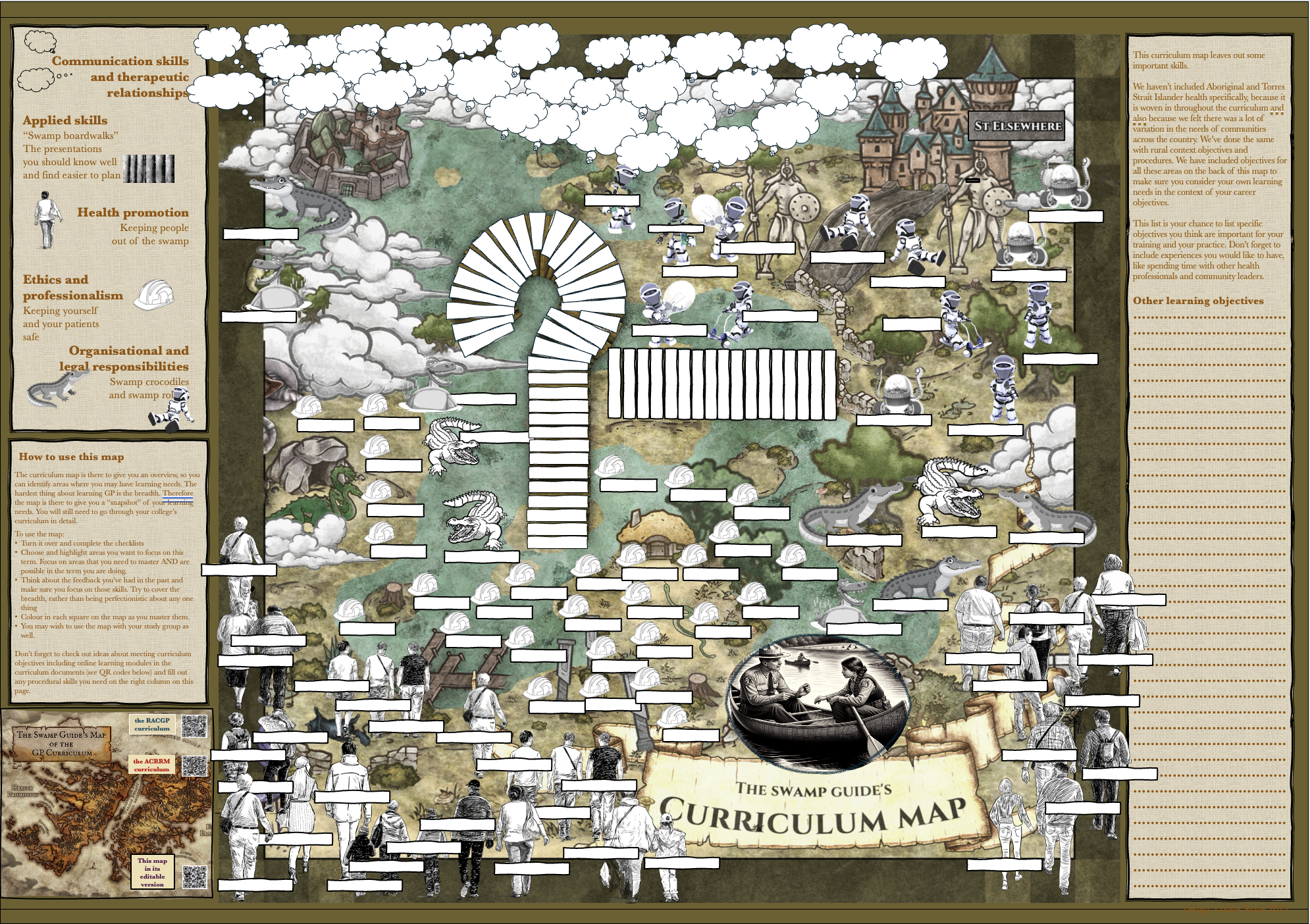
Keynotes take a lot of work to put together, because they are long, and the task is important. You need some coordinating idea, and in medical education, it’s good to give them something to take home. In my case, this was a map, which I’ve put in the section on workshops.
Educational session
2025
Psychological strategies
This is a short video that is part of a 6 hour course on mental health skills.