


Secondary health promotion describes activities aimed at the population at highest risk. In this case, it is looking at higher risk environments, perpetrators and targets.
Common misunderstandings about risk
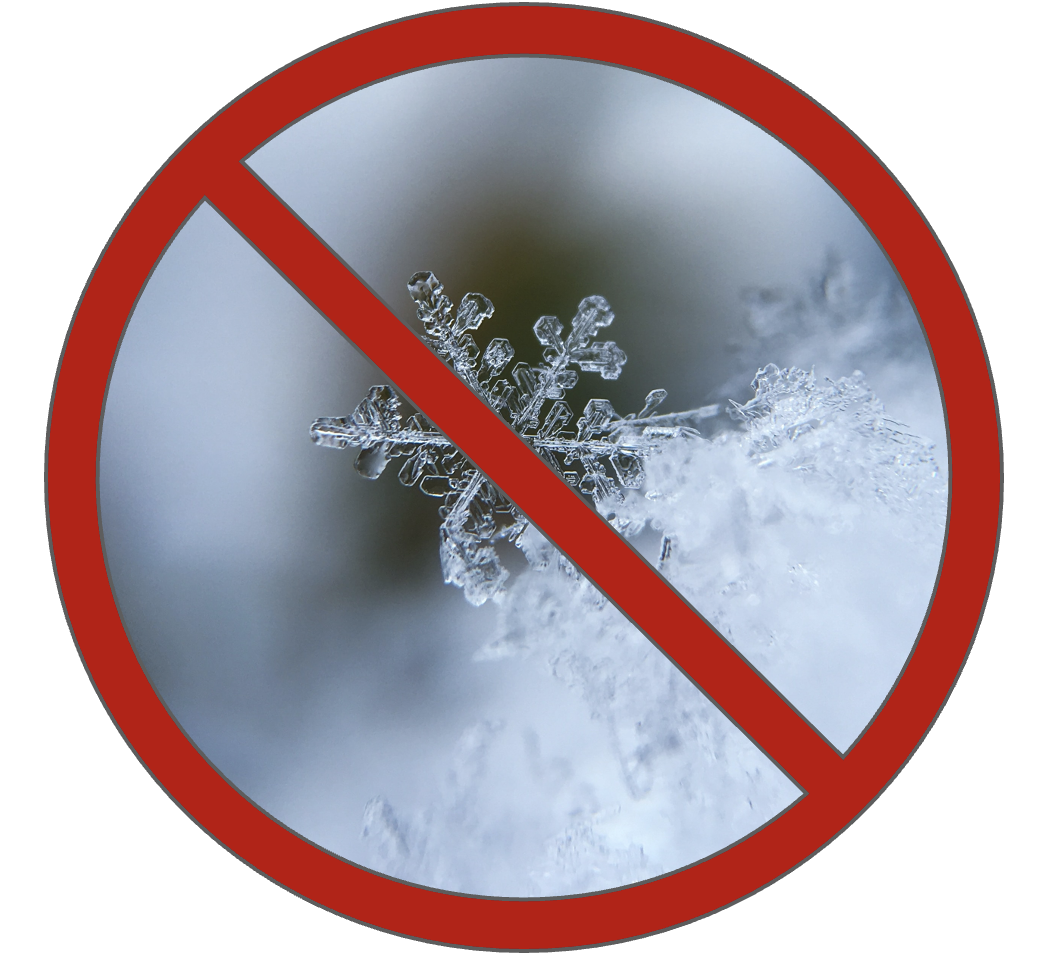
No, targets are not just “sensitive snowflakes” who need more “resilience training” and “better boundaries”.
Perpetrators of gender-based violence commonly target people who are vulnerable, including those who live with multiple marginalisations or those who have already experienced trauma, particularly childhood trauma. There is no evidence that “resilience training” is useful
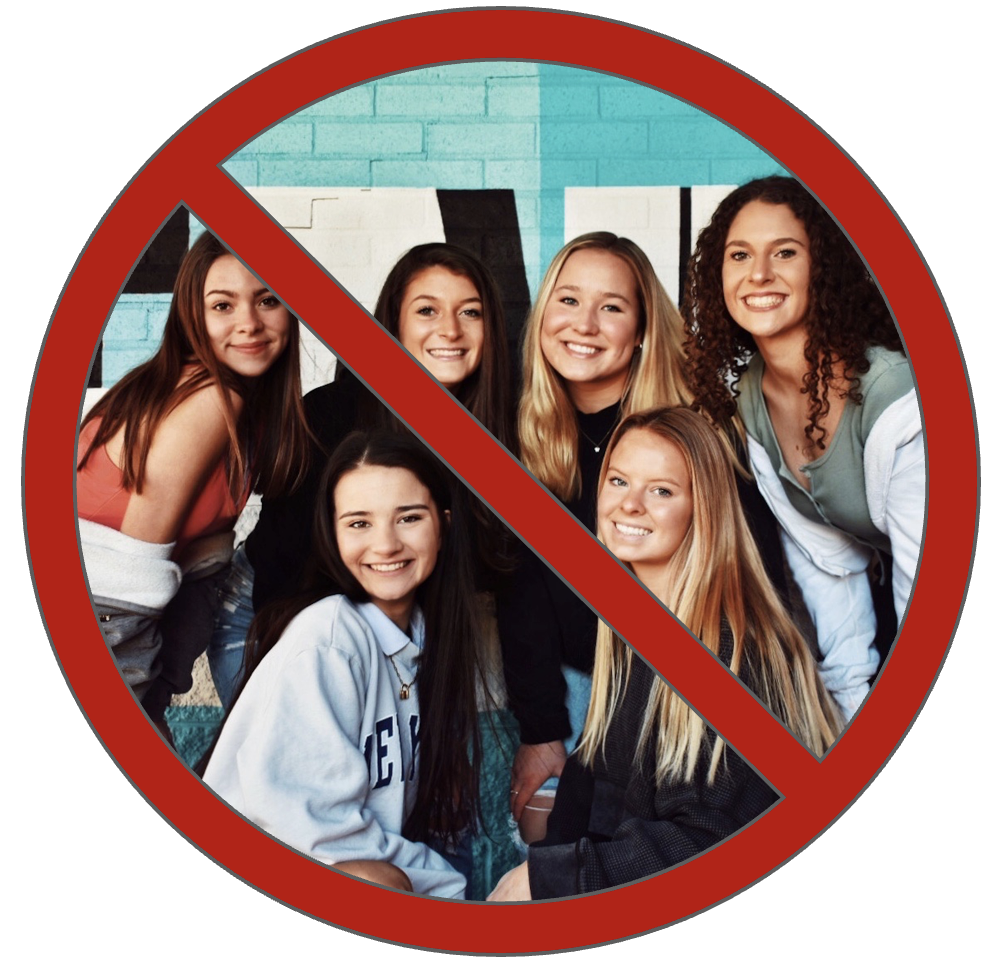
No, targets are not “just” women.
While perpetrators are mostly men, targets are of all genders. Importantly, International Medical Graduates are of higher risk, and gendered assumptions differ. Medical training differs around the world, and supervisors vary in their power of their more junior colleagues. These assumptions may be replicated in Australia, particularly in less diverse settings, like small hospitals
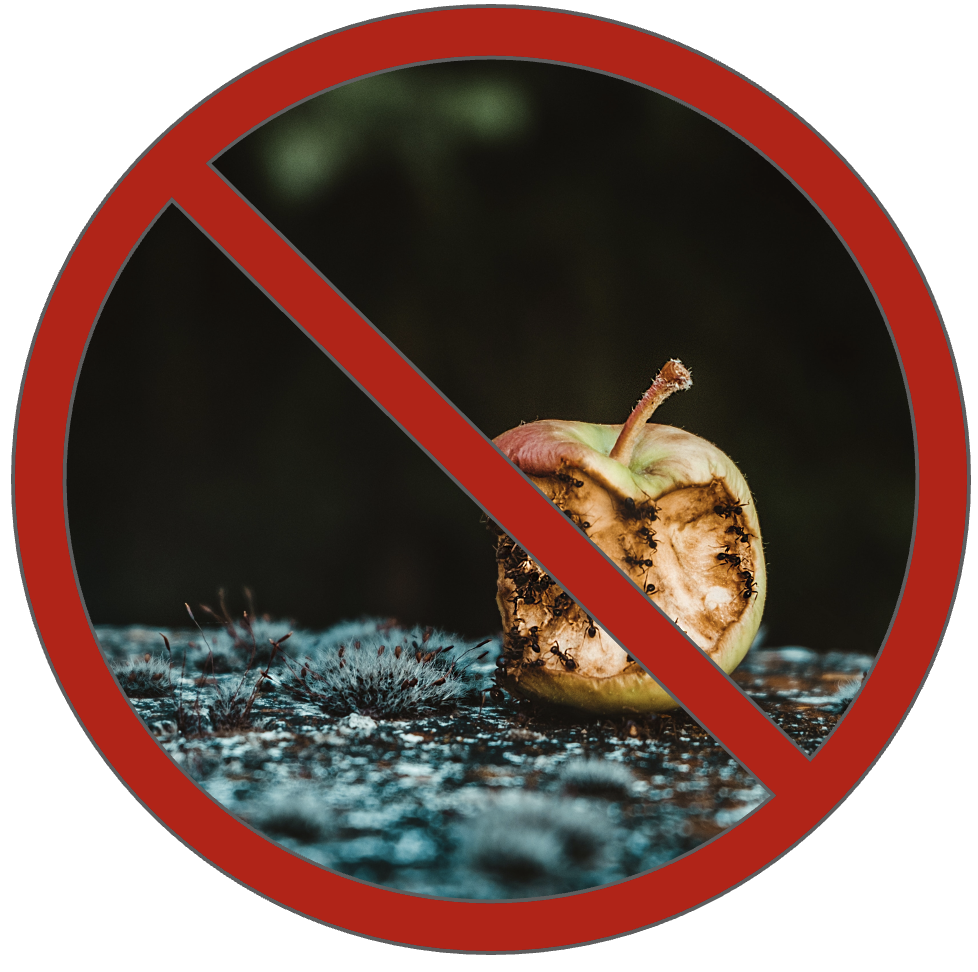
No, perpetrators are not just “bad apples”.
There are “bad orchards”, which includes the culture of medicine more generally and a specific workplace in particular. There are also “bad farmers”, with managers and administrators taking some responsibility for healthcare culture. To extend the analogy, there are also “bad practices”, where vulnerable doctors are less supported than they should be. This particularly applies to International Medical Graduates.
Prof Ros Searle’s work suggests there are likely to be two groups of perpetrators. Those who choose medicine, because it offers opportunity to abuse others from a position of power tend to repeat the behaviour. The second group are people who misunderstand a relationship, perhaps due to their own mental health needs. These perpetrators are often open to rehabilitation.

Secondary health promotion
“Policies may be well built, but “the way things are done around here” often deviate from the written policies. The greater the distance between the paved written pathway, and the informal dirt track correlates with the trust people have in the institution.
If the policy says employees “have the right to disconnect” but the culture expects all employees to be online 24/7, it’s not surprising they don’t trust policies on sexual harassment.”
Prof Rosalind Searle’s work on organisational safety
Why do good people do bad things?

Secondary health promotion targets:
Identify high risk situations
Identify and manage workplaces at high risk
Support high risk targets
Identify and manage populations at high risk
Manage high risk perpetrators
Early identification, management and/or removal of high risk individuals from the workforce
If you are interested in this health promotion stage, you may wish to read the following chapters of our book:
Foreword: The Shame of Sexual Violence Is Not the Victim’s Burden to Carry
2 How to Be a Woman Doctor: Gender, Performance and Sexual Risk
3 The Role of Men
4 A History of Workplace Sexual Harms
5 Medical Workplaces
6 Medical Training
8 Health Promotion Strategies to Reduce Sexual Harassment in the Workplace
Part II: Learning From Interdisciplinary Perspectives
10 Organisational Behaviour: ‘Oops I Did It Again!’ –Understanding Sexual Harm in Medicine and Why It Persists
Part III: Learning From International Perspectives
Part IV: Looking To The Future
32 Cultural Change from Above and Within: Accountability in Leadership
33 Advocacy from the Ground Up
34 Looking to the Future: The View from Learners and Teachers throughout Medical Training